
亚马逊
住在余杭黄湖,单位在萧山新塘 小伙每天开车上下班来回160公里_我的网站

A | New Delhi, Oct 11 (UNI) There is a need for an institutional approach by the international community to help each other during a crisis, Prime Minister Narendra Modi said on Tuesday adding that "the Covid-19 pandemic should have been a wake-up call for taking everyone along".
The Prime Minister was addressing the United Nations World Geospatial International Congress via video message.
"Global organisations like the United Nations can lead the way in taking resources to the last mile in every region... Hand-holding and technology transfer are also crucial in fighting climate change," Modi said.
He suggested that best practices may be shared for saving our planet.
Modi pointed out that the theme of the conference, 'Geo-enabling the Global Village: No one should be left behind' can be seen in the steps India has taken over the last few years.
"We have been working on a vision of Antyodaya which means empowering the last person at the last mile, in a mission mode," he said.
"450 million unbanked people, a population greater than that of the US, were brought under banking net and 135 million people, about twice the population of France, were given insurance," he said.
He said that the sanitation facilities were taken to 110 million families and tap water connections to over 60 million families in India.
India is ensuring no one is left behind, the Prime Minister added.
"In India, technology is not an agent of exclusion. It is an agent of inclusion," Modi said.
He highlighted the role of geospatial technology in driving inclusion and progress.
The role of technology in schemes like Svamitva and housing, and the outcomes in terms of property ownership and women empowerment, have a direct impact on the UN's Sustainable Development Goals on poverty and gender equality, the Prime Minister emphasized.
Citing the example of the South Asia Satellite for facilitating communication in India's neighbourhood, the Prime Minister said that India has already set an example in sharing the benefits of geo-spatial technology.
Modi underscored the endless possibilities that geo-spatial technology offers. These include sustainable urban development, managing and mitigating disasters, tracking the impact of climate change, forest management, water management, stopping desertification and food security.
He expressed wish that the conference becomes a platform to discuss developments in such important areas.
"With the stakeholders of the global geo-spatial industry coming together, with the policy makers and academic world interacting with each other, I am confident that this conference will help steer the global village into a new future," the Prime Minister concluded.
The Congress is being attended by over 2,000 delegates including 700 plus international delegates and participants from about 120 countries.
UNI ASU ING。

B | 杭州平均通勤距离8.1公里,平均耗时34分钟 你是多少?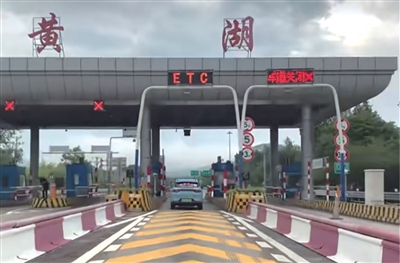 从黄湖入口上高速
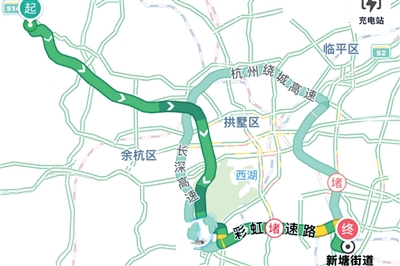 每天跨江通勤单程超过80公里,杭州28岁的小林每天开车从余杭黄湖到萧山新塘上班,他用视频记录每天行程发到网上,引来网友热议。

C | “杨某某”:从鸬鸟到拱墅送老婆上班,再赶回瓶窑。

D | “之亭”:我每天通勤行程120公里。“陈g”:我每天从临平东湖新城到白马湖附近,来回100公里。“Skk-2”:富阳到义乌,每天来回250公里,坚持了半年,辞了。

E | “王一奇”:百丈到五常,来回145公里。…… 小林视频记录上下班行程杭州单程平均通勤距离8.1公里平均耗时34分钟据中国城市规划设计研究院2025年12月发布的《2025年中国主要城市通勤监测报告》,国内主要城市的通勤人群也在经历两极分化,一部分人享受到更好的职住平衡,另一部分人为了更好的工作机会选择忍受超长通勤。记者注意到,监测报告统计了2024年底全国主要城市的数据,60分钟以上极端通勤比重总体平均12%,北京29%全国第一,而杭州极端通勤比重11%,比全国平均值低1%。

F | 心到边(中心城区到外围)的城际通勤占比数据中,杭州57%,广州49%,西安43%,显著高于平均水平,报告说这些城市的中心城区,有效吸引了周边区县的城际通勤人口。近些年,城市通勤半径不断扩展,职住分离度和平均距离持续增长,但受益于轨道与城市交通基础设施的完善,45分钟以内通勤比重保持稳步提升,杭州45分钟通勤比重稳步提升至79%。另外,杭州单程平均通勤距离8.1公里,平均耗时34分钟, 幸福通勤(5公里以内)全国平均52%,杭州53%(2022年51%)。北京平均通勤距离11.6公里,全国最长。数据背后是近些年杭州越来越完善的交通基础设施。

G | 去年快报曾报道,杭州市区每天约有90万人次跨越钱塘江,工作日早高峰(7:30-9:30)占比45%,晚高峰(17:00-18:30)占比35%。其中约一半人选择地铁、公交等公共交通,另一半选择自驾、非机动车等。在跨江方式上,约50%(45万人次)选择公共交通,其中地铁贡献70%(31.5万人次)。

H | 地铁1号线、6号线跨江段日均客流分别达40万人次、25万人次;约40%(36万人次)选择开车出行,主要走西兴大桥、复兴大桥等核心通道。滨江与钱江新城、萧山与武林商圈、钱塘与下沙高教园区构成三大跨江通勤轴,分别占总流量的35%、25%、15%。2021年获批的《杭州市综合交通专项规划(2021-2035年)》提出,未来杭州将规划形成31处机动车过江通道。加上已有(包括建设中)的10条地铁过江通道,未来的杭州将拥有40多条过江通道。

I | 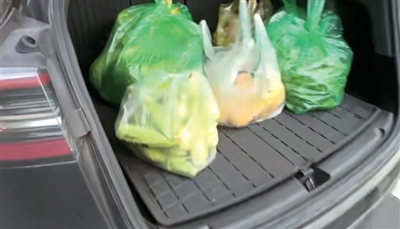 径山一位阿姨让小林带给女儿的菜每天开车160公里,已经3年“我在萧山做检测,工作4年了,之前在单位附近租的房子,3年前老婆怀孕回到余杭黄湖,每天我从余杭开车到萧山上班。”小林告诉记者。

J | 结婚时买的新能源车3年里程10万公里左右,每个月电费200多元,“早上6点多开车出门,单程80公里,来回160公里”。“一般情况下,我从黄湖上杭长高速,转到紫金港,走紫之隧道,过之江大桥,走彩虹快速路,再上通城高架去萧山新塘。另一条是从杭长高速驶入,走留石、上塘高架,再转时代高架。”“走第一条路线,开到之江大桥麦岭沙上桥那一段,基本上都会堵上一阵子,熬过这一段之后路况就会顺畅不少。要是走上塘高架这条线,从上塘路的匝道上去,车流就开始缓行,上了高架之后车子只能慢慢往前挪。”小林说两条路线几乎都要开一个多小时。
Current article:http://www.rangnehongranlinren.bond/0gv9pgv/20260826/5586.xls
Published on:11:23:29


