
惊声尖笑
SK海力士公布最新HBM进展 称竞争焦点从内存性能转向封装技术_我的网站

A |
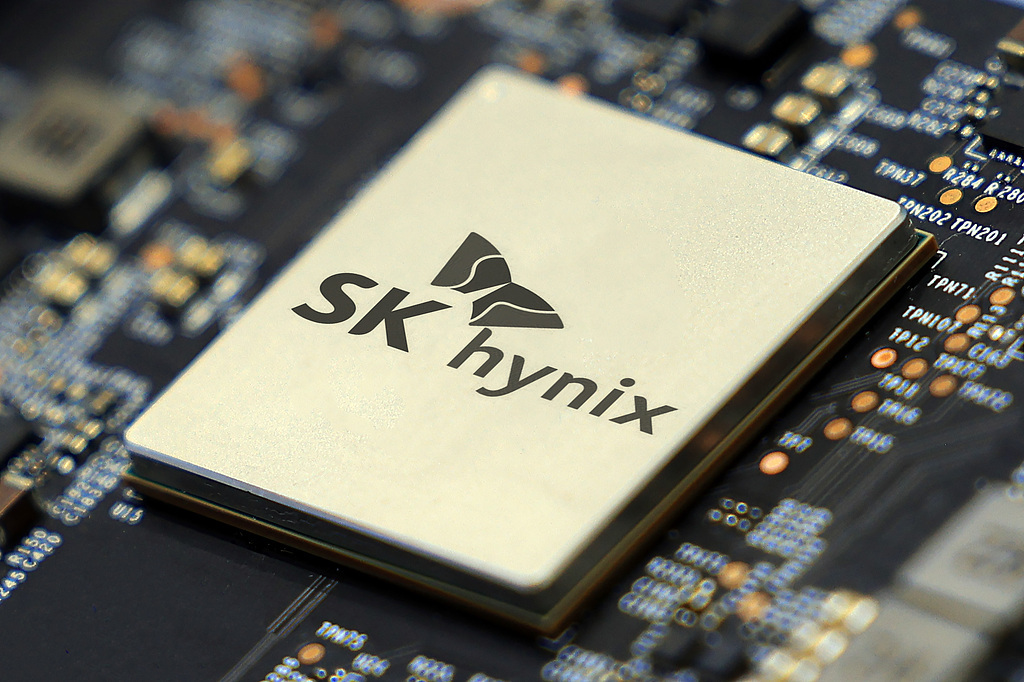 财联社8月24日讯(编辑 马兰)人工智能数据中心使用的高带宽内存(HBM)技术正在出现重大转向。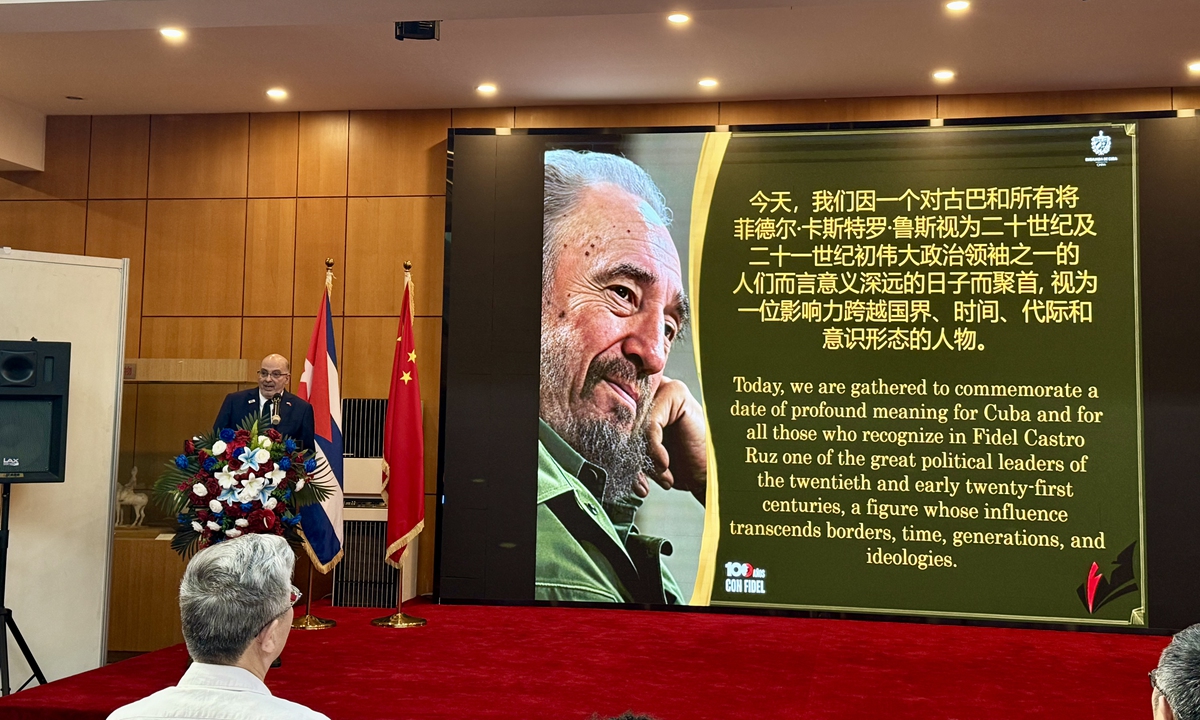
Delegates' speeches evaluated Fidel's role in promoting Cuba-China ties, especially when Cuba became the first Latin American and Caribbean country to establish diplomatic relations with China.
Alberto Blanco Silva, Cuban Ambassador to China, said in his opening remarks that the revolutionary leader is a figure whose influence transcends borders, time, generations, and ideologies.
Blanco noted that Fidel's life was devoted to Cuba's independence, social justice, solidarity among people, Latin American and Caribbean integration, and Global South, the socialist cause, and a more just and equitable international order.
Ambassador Blanco said that from Fidel, "we learned to practice solidarity through deeds, not merely beautiful words; to remain steadfast in the face of adversity and prudent in victory." For decades, Fidel's voice was echoed among developing countries, Blanco said, adding that Fidel promoted transformations that changed the course of Cuba's history.
Blanco also regarded Fidel as a statesman with a universal vision. Recalling the South Summit held in Havana, Cuba, in 2000, Ambassador Blanco quoted Fidel, saying "Globalization is an objective reality, which reveals our conditions as passengers abroad the same vessel - this planet inhabited by us all."
With this metaphor, Fidel illustrated the urgent need to unite global efforts as an international community to save the planet and humanity, preserve the future of our children, and reduce the gap between the North and the South, Blanco continued.
The Cuban Ambassador also noted Fidel's personal attention to China-Cuba relations.
Fidel, on behalf of the historic leadership, took the initiative, during a mass rally on September 2, 1960, to consult the people and announce the sovereign decision to establish diplomatic relations with the Government of the People's Republic of China, making Cuba the first country in the Western Hemisphere to dare take that step, the ambassador said, switching his speech from Spanish to Chinese.
Blanco added that it was Fidel who, with great frankness and courage, addressed the issue of the exclusion of the People's Republic of China and its admission to the United Nations in his speech before the United Nations on September 26, 1960.
Fidel also consistently upheld the one-China principle and, through his speeches and reflections, condemned interference in China's internal affairs and attempts to undermine the territorial integrity and sovereignty of the People's Republic of China. At the same time, Fidel helped foster mutual interest between Latin America and the Caribbean and China.
Moreover, Fidel instructed that the book, The Long March, an account of a great military feat by Red Army in 1930s whose 90th anniversary we are commemorating this year, be published. Fidel knew its history in great detail and regarded it as an inexhaustible source of inspiration, Blanco recalled.
From Blanco's view, Fidel has helped forge a bond that today stands as an example of cooperation between a large country and a small one, based on equality and mutual respect.
The diplomat said that today, the joint construction of a China-Cuba community with a shared future is an expression of the high-level of strategic trust achieved between "our countries and opens new opportunities to expand cooperation for the benefit of both our peoples."
"One hundred years after his birth, Fidel Castro remains present in the memory of all those who are grateful to him and all those who defend just causes, both within and beyond Cuba," Blanco concluded.
One of the reasons why Fidel is still relevant today is that while people commemorate him, they are also reaffirming the value of the bilateral friendship, which Fidel forged and helped strengthen.
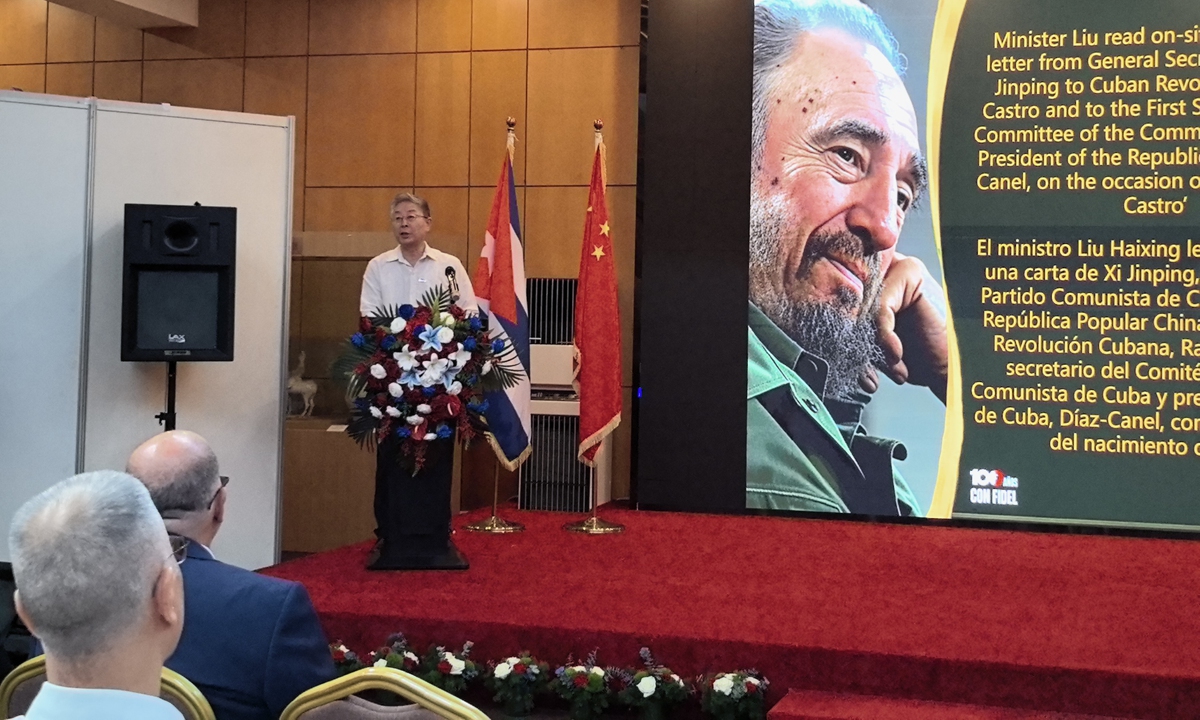
Ma served as Chinese Ambassador to Cuba from 2021 to 2024.
Ma said he visited on numerous occasions the Fidel Castro Center, which is located not far from the Chinese Embassy, as well as museums that feature Fidel.
"The more I learned about Comrade Fidel Castro, the more I was captivated by his noble character, outstanding qualities, and personal charisma," said Ma.
Fidel visited China twice and warmly received several Chinese leaders on their visits to Cuba, making historic contributions to the development of China-Cuba relations. The Chinese people will never forget him, Ma said.
In the current complex and evolving international landscape, China firmly supports Cuba in exploring a path of socialist development suited to its national conditions, firmly supports Cuba in safeguarding national sovereignty and security and opposing foreign interference, and stands ready to work together with Cuba and the wider international community to jointly uphold international fairness and justice, Ma stressed.
。SK海力士美国公司副总裁Lee Jae-sik最新表示,未来行业不仅需要关注HBM本身,还需要关注封装技术如何影响HBM。Lee在当地时间23日出席了美国斯坦福大学举行的半导体会议Hot Chips 2026,并发表了题为“HBM的高科技封装”演讲。他表示,在人工智能半导体时代,为了确保竞争力,不仅HBM本身的性能需要优化,GPU、封装和代工工艺也必须进行优化。

B | 目前,SK海力士的HBM采用三维堆叠式设计,通过硅通孔将多个核心芯片连接到一个基底芯片上。HBM目前最高可达16层堆叠。封装技术则采用了MR+MUF(回流焊+注塑底部填充)。相比于TC+NCF(热压+非导电薄膜),MR+MUF生产效率更高,热阻更低,但更容易发生芯片翘曲,并且存在间隙填充方面的不足。但SK海力士结合了翘曲控制和精细间距集成及窄间隙填充新技术,成功提高了现有HBM的性能。SK海力士还在开发混合键合封装技术,以实现超越16层堆叠的20层或更多层的目标。该技术可在相同高度下将核心芯片厚度增加高达24%,并通过消除现有微凸点并直接连接芯片,将凸点间距缩小至18微米以下。此外,该技术有望通过更高效的散热来减少发热问题。

C |
携手优化的时代与现有存储器不同,HBM在人工智能半导体中首先被组装到中介层上。Lee指出,过去存储器是在系统组装的最后阶段安装的,但在人工智能时代截然不同,这要求HBM的可靠性更加重要。

D | 他补充称,HBM必须承受后续工艺中产生的热量和机械应力,因此与客户进行联合开发至关重要。这也意味着,内存厂商、GPU设计商、代工厂和封装厂商必须从一开始就进行协同设计。SK海力士还在会上发布了一项用于冷却HBM内部特定区域“热点”的技术。Lee表示,HBM的输入/输出速度越快,热量就越集中在某些区域。

E | 正在开发的iHBM技术通过添加耐高温导热材料,只对热量集中的区域进行集中冷却,而非对整个HBM进行冷却。

F | 他还指出,HBM的带宽和容量未来将继续增长,但发热、功耗和封装将成为更大的挑战,这要求客户、代工厂和封装公司必须携手优化。
Current article:http://www.rangnehongranlinren.bond/ad9a/ywltk.xlsx
Published on:10:57:42


